
“If I open up my business to a marketplace model, won’t that water down my brand?”
That’s one of the most common concerns retailers voice when considering a shift to multi-seller commerce. And it’s fair. Your brand isn’t just a logo—it’s your reputation, your promise to customers, your competitive edge. The idea of inviting external sellers into your brand experience can feel uncertain, especially if you’ve seen marketplace models where quality takes a backseat.
But here’s the thing: the model most retailers fear? That’s not the one we’re talking about.
We’re not talking about open marketplaces where anyone can sell, listings are inconsistent, and the customer experience is chaotic. We’re talking about curated, operator-led marketplaces—designed to strengthen your brand, not weaken it.
In this article, we’ll unpack the myth that marketplaces dilute brand identity—and show how the right platform, like Marketplacer, actually puts you more in control than ever. You’ll learn how to:
- Keep full control over your customer experience
- Maintain quality standards across sellers and products
- Extend your range without compromising consistency
- Grow loyalty by delivering seamless, on-brand journeys
- Use marketing tools to strengthen—not dilute—your voice
TL;DR: Marketplaces Don’t Dilute Your Brand—They Strengthen It
- You control everything—sellers, listings, product standards, and brand experience.
- Tools like product vetting, Golden Records, and taxonomy ensure every listing stays on-brand.
- Your store’s look, voice, and checkout stay consistent—customers won’t know it’s multi-seller.
- Sellers don’t dilute your brand—they extend it, adding value and relevance without inventory risk.
- Brands like Barbeques Galore and Jarrold are growing fast with curated marketplaces—no compromise on identity.
Table of Contents
What Retailers Fear About Marketplaces (And Why It’s Outdated)
Let’s be honest—there’s a reason the myth persists that marketplaces weaken your brand.
When many retailers hear “marketplace,” they picture chaos:
- Inconsistent product listings
- Poor-quality images
- Off-brand sellers
- A fragmented customer experience
- And worst of all, the sense that their brand could get lost in the noise
At the heart of it, most concerns fall into three categories:
- Loss of control: “Will sellers dilute our brand standards?”
- Inconsistent experience: “Will service levels drop across the board?”
- Broken relationships: “Will we lose touch with our customers?”
These aren’t irrational fears. They’re based on real pain points from older, unmanaged marketplace models—ones that gave up control in the name of scale. However, that’s not a reflection of sellers themselves—it’s a reflection of missing structure. But here’s the shift: modern marketplace platforms are built to put you in control. Today’s tech doesn’t ask you to sacrifice brand integrity for growth. It’s designed to protect it while helping you scale far beyond what owned inventory alone could offer.
Myth Busted: You Can Scale Your Product Range Without Sacrificing Brand Control
So, how do you scale your product range without sacrificing the identity you’ve worked so hard to build?
Simple: you curate—you don’t open the floodgates.
Unlike open marketplaces with minimal gatekeeping, curated platforms give you complete control over who sells and how they show up under your brand. And when a platform like Marketplacer powers you, that level of control becomes operationally easy.
Here’s how Marketplacer gives retailers the tools to protect—and elevate—their brand:
- Product Vetting Engine – Review and approve every seller-submitted product before it goes live. Set custom rules by seller category to enforce your brand standards—from imagery and descriptions to price points and variants.
- Central Product Database (Golden Records) – Merge identical products from multiple sellers into a single, unified listing. This eliminates duplicate clutter, reduces customer fatigue, and maintains a clean and confident experience.
- Custom Categorization & Central Control – Categorize listings using your taxonomy. Apply consistent shipping, commission, and display rules. Maintain a unified product structure that keeps every seller aligned to your brand—not the other way around.
- Seller Onboarding Standards – Define what “good” looks like—from product data formats to image quality. Marketplacer’s Seller Playbook makes onboarding structured, consistent, and scalable.
- Curator Add-On – Prefer sellers to come pre-vetted and pre-contracted? Curator does the heavy lifting. You choose the seller; Marketplacer handles the connection quickly and efficiently.
Sellers Aren’t a Compromise—They’re a Competitive Advantage
In a curated marketplace, great sellers don’t dilute your brand—they extend it.
When you control the structure, set the standards, and curate who sells, third-party sellers become an extension of your business, not a risk to it. They help you grow faster, deepen category expertise, and deliver more choice to your customers, without the overhead of inventory or fulfilment.
With the right marketplace model:
- Third-party sellers enhance your assortment with relevant, high-quality products
- You stay in control of how those products are presented, priced, and promoted
- Customers experience your brand first, not a fragmented network of sellers.
Give your sellers the tools to succeed within your ecosystem, and they won’t compete with your identity. They’ll help expand and reinforce it. Because in a curated marketplace model, success is shared, but control stays with you.
Debunking the Disjointed Experience: Your Marketplace Strategy, Your Seamless Standards
One of the biggest myths about adopting a marketplace strategy? Adding third-party sellers will create a messy, inconsistent customer experience. However, with Marketplacer acting as the middleware between your sellers and your storefront, the shopping experience stays consistent—no surprises for your customers.
How obvious you make it that a product is sold or fulfilled by a third-party seller is up to you. The key is: the customer shouldn’t experience any difference when browsing, adding to cart, or checking out.
With the right setup, you deliver a shopping journey that feels completely on-brand, even if multiple sellers fulfill the order behind the scenes.
Here’s how Marketplacer makes that possible:
- Your Storefront, Unchanged – Every marketplace page maintains your visual identity—your logo, fonts, navigation, and overall design language remain consistent across all listings and categories. Sellers work quietly in the background without disrupting your brand look and feel.
- Centralised, Unified Product Presentation – Products from different sellers adhere to your taxonomy and categorisation rules. Customers see a clean, professional catalogue, not a patchwork of fragmented listings.
- One Smooth, Consolidated Checkout – Whether purchasing from one seller or several, customers enjoy a seamless checkout experience: one cart, one payment, and one trusted brand—you.
- Standardised Shipping, Returns & Policies – You define and enforce consistent shipping, return, and refund rules, ensuring every purchase meets your brand’s quality of service, regardless of which seller fulfils the order.
This control doesn’t just protect your brand—it elevates it. When every customer touchpoint feels intentional and on-brand, trust grows, and loyalty follows.
Bottom line? Marketplaces don’t have to fragment your customer experience. With the right platform, they can reinforce and scale it.
Your Brand Voice Doesn’t Get Lost—It Gets Louder
The fear isn’t just about logistics—it’s about identity. Retailers often ask, “If we open up to third-party sellers, will our voice get drowned out?”
But here’s the upside that rarely gets talked about: when you use the right marketplace infrastructure, your brand voice doesn’t get lost.
It gets louder.
Platforms like Marketplacer don’t just let you maintain your identity—they give you new tools to expand it, promote it, and connect it to more people than ever before.
Here’s how:
- Built-In Marketing Tools
Run campaigns that align with your brand strategy, whether across your products or third-party listings. Set co-funded promotions, spotlight premium sellers, or roll out seasonal discounts that reflect your retail calendar. - Retail Media & Sponsored Listings
Feature top products, drive visibility, and monetize your platform by offering advertising space within your ecosystem. That means you boost traffic and sales without handing off control to external platforms. - Performance Insights
Access real-time data to see what’s working—by seller, category, or promotion. Double down on high-performers, pull listings that don’t match your standards, and constantly refine your brand mix. - Consistent Messaging Across the Board
Use seller onboarding guidelines to align tone, visuals, and content with your brand voice, ensuring the entire experience feels cohesive.
And because Marketplacer enables flexible collaboration between operators and sellers, you can quickly adapt promotions, messaging, and product curation on your terms.
So no, you’re not trading identity for scale. You’re scaling your influence with structure, strategy, and brand-first execution.
Marketplaces Don’t Break Customer Loyalty, They Build It Stronger
One of the biggest misconceptions about marketplace models is that they create distance between you and your customer—that third-party sellers somehow break the relationship you’ve spent years building.
But the truth is: a well-designed marketplace brings you closer..
With the right tools in place, you don’t lose the customer relationship—you enrich it. You gain richer insights, more opportunities to personalise experiences, and stronger connections that drive loyalty.
Here’s how Marketplacer helps you stay connected:
- Retain Customer Data – Even when sellers fulfill the order, you retain visibility into customer behavior, preferences, and purchasing history. That means you can continue to personalize emails, refine offers, and build loyalty.
- Brand-Led Customer Service Policies – You set the rules: shipping windows, return processes, and refund logic. Every customer interaction follows your standards, not the seller’s.
- Trust-Building Through Transparency – You control who sells, what products are listed, and how they appear. A curated marketplace fosters customer trust by eliminating chaos and uncertainty.
The result? Customers feel like they’re still buying from you, strengthening loyalty and repeat business. Loyalty isn’t just about who ships the box. It’s about who they trust to get it right, every time.
Proof, Not Promises: Real Brands Debunking Marketplace Myths with Results
This all sounds great in theory, but does it actually work?
Yes. And not just for massive retailers like Amazon or Walmart. Mid-market brands, specialty retailers, and heritage stores are using curated marketplace strategies to expand product range, grow revenue, and amplify their brand identity, without compromise.
Here are two standout examples from businesses powered by Marketplacer:
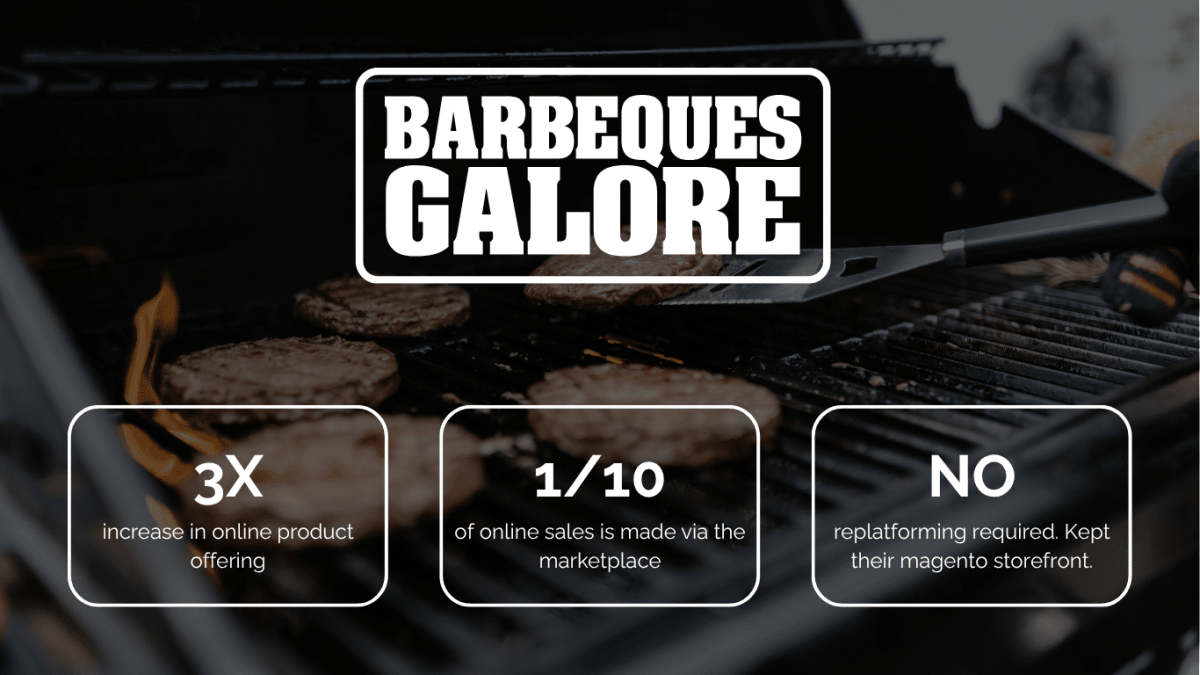
Barbeques Galore (AU): From Retailer to Outdoor Living Destination
The Challenge:
Modernize a well-known legacy brand and expand product offerings—without taking on more inventory or logistics overhead.
Marketplace Wins:
- Tripled online product range without holding more stock
- Marketplace sales accounted for 10 %+ of online revenue within three months
- Integrated third-party products seamlessly into their existing e-commerce experience
- Sellers also benefited from placement in a trusted retail environment, gaining exposure, growing sales, and aligning with a brand known for quality.
Brand Control in Action:
By curating sellers and handpicking the range, Barbeques Galore stayed true to its outdoor lifestyle positioning, while becoming the one-stop shop for everything BBQ and beyond.
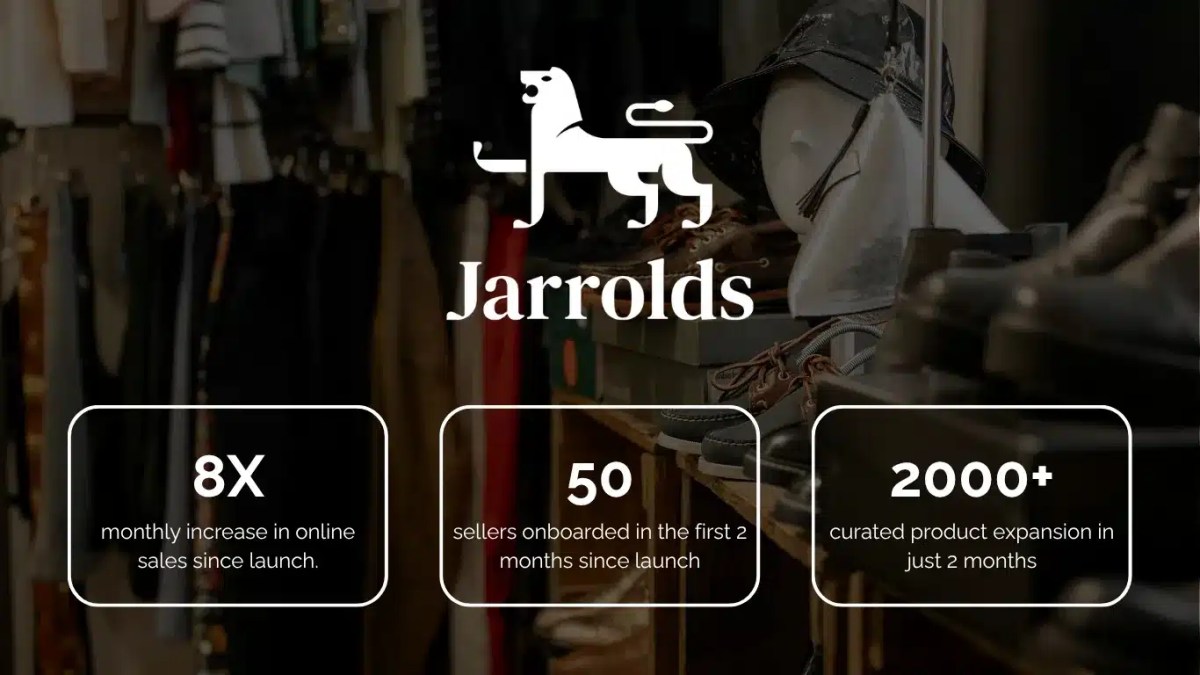
Jarrold Store Folk (UK): Championing Local Artisans in a Digital Space
The Challenge:
Support local makers, expand online product variety, and evolve a 250-year-old department store into a modern retail experience.
Marketplace Wins:
- Onboarded 50+ small retailers and 2,000 products in the first 60 days
- Achieved an eightfold increase in online sales
- Created new revenue streams for both Jarrold and their sellers
- The sellers—local artisans and small retailers gained access to broader markets and a shared reputation for excellence.
Brand Control in Action:
Every seller was vetted for quality and brand alignment, ensuring Jarrold’s long-standing reputation for excellence wasn’t diluted, even as the assortment grew.
The Common Thread?
- Curation, not chaos
- Operator control, not confusion
- A seamless customer experience that feels 100% brand-owned, even with hundreds of sellers
These aren’t anomalies—they’re the new standard for retailers who want to grow without compromise.
Conclusion: Control Isn’t Lost with a Marketplace Strategy—It’s Multiplied
Let’s put this myth to rest: adopting a marketplace strategy doesn’t mean giving up brand control.
With the right platform—like Marketplacer—you gain more structure, more consistency, and more customer reach than ever before.
You’re not “launching a marketplace” in the traditional sense. You’re expanding your business model with a smarter way to grow.
Here’s what a modern marketplace strategy offers:
- Expand your assortment without losing brand consistency
- Deliver a seamless customer experience, regardless of how many sellers are involved
- Maintain complete control over your messaging, pricing, and brand standards
- Keep and grow direct customer relationships, with full data visibility
- Launch quickly, with scalable workflows and proven best practices
This isn’t about sacrificing identity for scale.
It’s about evolving your commerce model—with clarity, control, and confidence.
Ready to Amplify Your Brand?
Let’s talk about what your curated marketplace strategy could look like. Schedule a strategy session with Marketplacer and discover how to scale your brand – on your terms.
FAQS
Can I maintain complete control of my brand if I allow third-party sellers on my site?
Yes—if you’re using the right platform. Marketplacer is built with operator control at the core. You decide:
✅ Which sellers are onboarded
✅ What products are listed
✅ How products are presented
✅ What your customer journey looks like (checkout, shipping, refunds, etc.)
With approval workflows, brand guidelines, and centralised taxonomy, your site stays consistent, polished, and fully in your control.
Won’t my customers get confused if multiple sellers are fulfilling orders?
Not with the right infrastructure in place. Marketplacer consolidates the experience into one branded storefront:
✅ One cart
✅ One payment
✅ Unified checkout
✅ Standardised policies
Customers see your brand—not your sellers. The result? A seamless experience, even across multiple sellers. To the customer, it feels like one brand—yours.
How do I ensure third-party product listings meet our brand standards?
With Marketplacer, you’re in charge. You can:
✅ Review and approve listings before they go live
✅ Set detailed product and content guidelines
✅ Use automated approvals for trusted sellers
✅ Reject or request edits on anything off-brand
Features like the Product Vetting Engine and enhanced seller communication tools make this process efficient and scalable—even for lean teams.
Can I still access customer data if a seller fulfills the order?
Yes. traditional marketplaces, curated marketplace strategies with Marketplacer ensure you maintain visibility into:
✅ Purchase behaviours
✅ Product performance
✅ Customer satisfaction metrics
✅ CRM and marketing data (via integrations)
You can personalise experiences, run targeted campaigns, and continue building direct relationships.
Will adding more sellers hurt my customer experience?
Only if the platform doesn’t support unified standards. Done right, more sellers = more value, without compromising the experience.
Marketplacer gives operators the power to:
✅ Standardize product presentation and taxonomy
✅ Apply consistent shipping, returns, and refund rules
✅ Manage pricing and promotions across all sellers
✅ Monitor seller performance with built-in dashboards
The result? A richer product range that feels seamless to the end customer and boosts their loyalty to you.
How fast can I launch a branded marketplace like this?
Faster than you might think. With Marketplacer’s Fast Start Program, some retailers have gone live in as little as 90 days. The program includes:
✅ Pre-configured environments with best-practice templates
✅ Seller onboarding support and playbooks
✅ Strategic support and implementation guidance from marketplace experts
✅ Prebuilt integrations with eCommerce platforms (like Shopify, BigCommerce, Salesforce,commercetools)
✅ Marketplacer certified implementation partners
This isn’t theoretical—real retailers like Rackhams, Jarrold, and Barbeques Galore have done it. The key is a partner that handles the heavy lifting, allowing you to focus on strategy and customer experience.
Related Resources:
➡️ Marketplace Launch: Does it Take Forever? — Debunking the Timeline Myth
➡️ Ebook: Launch a Marketplace Fast